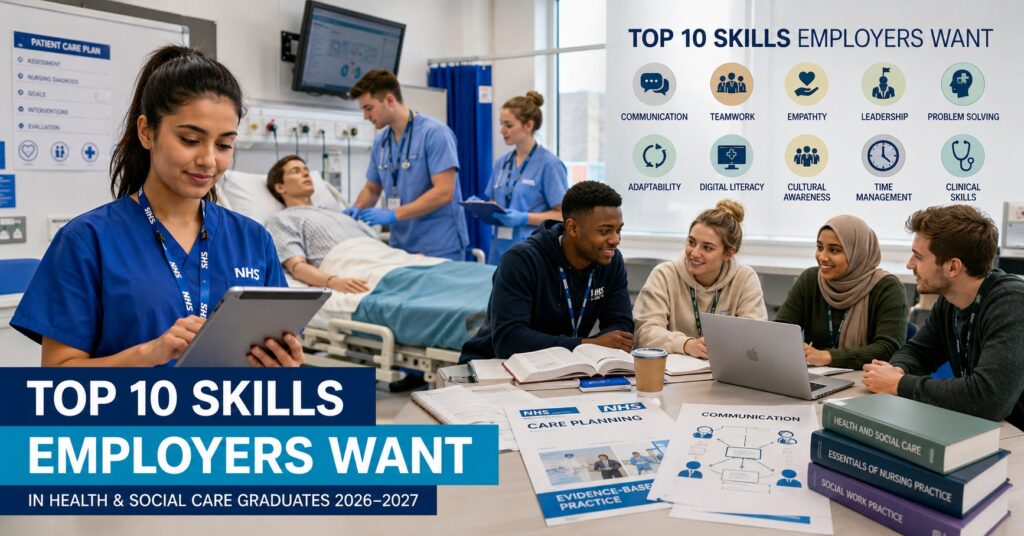
The UK health and social care sector is evolving rapidly. Employers are no longer looking only for graduates with strong academic performance or technical healthcare knowledge. Instead, they want adaptable, emotionally intelligent, digitally confident, and communication-focused professionals who can thrive in increasingly complex healthcare environments. If you have been asking questions such as “What are the 10 skills most wanted by employers?”, “Which skills do employers look for most in graduates?”, or “What are the skills needed in health and social care?”, you are certainly not alone.Discover the top 10 skills employers want in health and social care graduates in 2026–2027 and practical ways to develop them.
Across NHS trusts, private healthcare providers, charities, and community care organisations, graduate recruitment trends for 2026–2027 are shifting towards holistic employability. Employers now expect graduates to combine clinical understanding with interpersonal awareness, leadership potential, and technological confidence. Whether you are studying nursing, public health, social work, healthcare management, occupational therapy, or another related discipline, understanding the most valuable healthcare skills can significantly improve your employability and long-term career success.Students also read and search about msc dissertation help.
In this guide, we will explore the top skills employers want in health and social care graduates, explain why these competencies matter, and provide practical strategies to help you develop them during your university studies. We will also discuss how these skills connect to dissertation work, placements, academic research, and graduate recruitment in the UK.
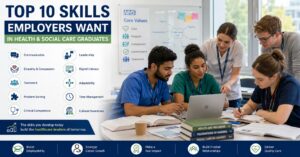
Why Skills Matter in Health and Social Care
Understanding the definition of skills in health and social care goes far beyond technical procedures or clinical competence. In modern healthcare systems, professionals must balance patient-centred care with communication, ethical decision-making, teamwork, and problem-solving. This is precisely why universities and employers increasingly emphasise transferable skills alongside academic qualifications.
According to reports from the UK Quality Assurance Agency (QAA) and NHS workforce development initiatives, employability skills are now considered central to healthcare education. Graduates entering health and social care roles must work confidently in multidisciplinary teams, communicate effectively with diverse populations, and respond to rapidly changing healthcare challenges.
The importance of skills in health and social care becomes even clearer when considering current workforce pressures across the UK. Staff shortages, digital transformation, mental health demands, and ageing populations require professionals who are resilient, adaptable, and capable of delivering compassionate care under pressure.
For students, this means your degree classification alone may not secure employment. Employers want evidence that you can apply theoretical knowledge in practical settings while demonstrating professionalism, empathy, and initiative.
Communication Skills: The Foundation of Healthcare Practice
Communication remains one of the most essential healthcare skills for professionals across every discipline. Whether you are supporting vulnerable patients, explaining treatment options, collaborating with colleagues, or writing care plans, your ability to communicate clearly can directly influence outcomes.
Healthcare employers consistently identify communication as one of the top graduate skills because poor communication contributes to patient dissatisfaction, misunderstandings, and even clinical errors. In social care settings, communication is equally vital for building trust with service users, families, and support networks.
Strong communication includes verbal, non-verbal, written, and digital interaction. For example, healthcare professionals must often adapt their communication style depending on whether they are speaking to children, elderly patients, individuals with disabilities, or distressed family members.
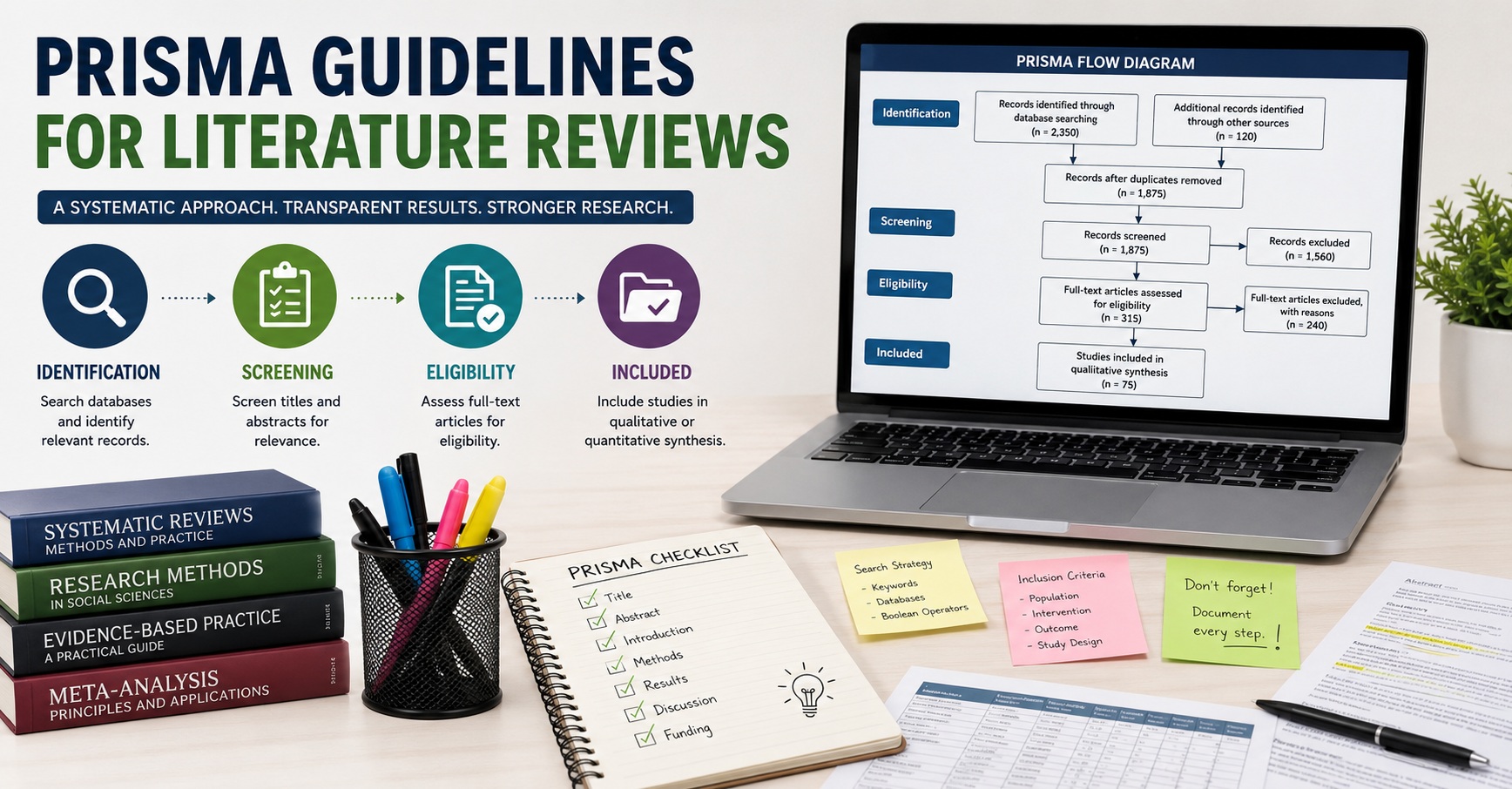
To develop this skill, students should actively participate in seminars, placement discussions, reflective practice exercises, and group projects. Writing academic assignments also strengthens professional communication. If you are conducting research projects, frameworks such as “Using PRISMA Guidelines for Literature Reviews: A Step-by-Step Checklist with Examples” can help you improve academic clarity, structure, and analytical communication in healthcare research writing.
Emotional Intelligence and Empathy in Social Care
Empathy has become one of the core skills in social care and healthcare professions. Employers increasingly value graduates who can demonstrate emotional intelligence, self-awareness, and compassionate practice.
In healthcare environments, professionals regularly encounter individuals experiencing stress, illness, grief, trauma, or anxiety. Technical competence alone is insufficient if patients feel unheard or unsupported. Empathy helps professionals understand patient experiences while building trust and improving care quality.
Emotional intelligence also supports teamwork and leadership. Graduates who can manage emotions effectively, respond calmly under pressure, and navigate difficult conversations are often viewed as highly employable.
Developing empathy requires both self-reflection and practical exposure. Clinical placements, volunteering opportunities, peer mentoring, and patient interaction exercises all help students build stronger interpersonal awareness. Reflective journals can also improve emotional intelligence by encouraging you to evaluate your communication, reactions, and decision-making processes.
Digital Literacy and Healthcare Technology Skills
Healthcare systems across the UK are becoming increasingly digital. From electronic patient records and telehealth platforms to AI-supported diagnostics and data management systems, digital literacy is now one of the most important healthcare skills lists employers assess.
Graduates entering the workforce in 2026–2027 are expected to feel comfortable using healthcare software, digital communication platforms, and online documentation systems. Employers also value students who understand data security, patient confidentiality, and digital ethics.
This trend has expanded the healthcare skills resume requirements for graduates. Digital competencies now strengthen applications for roles in nursing, healthcare administration, social care coordination, and public health.
Students can develop digital confidence by engaging with university learning technologies, completing online certifications, and becoming familiar with healthcare data systems. Dissertation research also provides excellent opportunities to build analytical and digital skills, particularly when using databases, referencing software, or systematic review methods.
As we discussed in our guide to choosing a dissertation topic, selecting research areas linked to digital healthcare trends can strengthen both academic and professional profiles.
Teamwork and Multidisciplinary Collaboration
Modern healthcare relies heavily on multidisciplinary teamwork. Doctors, nurses, social workers, physiotherapists, mental health specialists, and support staff must collaborate effectively to deliver safe and coordinated care.
For this reason, teamwork remains one of the skills employers look for most in graduates. Employers want candidates who can contribute positively to collaborative environments while respecting professional boundaries and diverse perspectives.
Students often underestimate how much university group work prepares them for healthcare employment. Collaborative assignments help develop communication, negotiation, leadership, and conflict-resolution abilities that directly transfer into clinical and social care settings.
Placements also provide valuable opportunities to observe multidisciplinary practice in real-world environments. Students who actively engage during placements often develop stronger professional confidence and adaptability.
Problem-Solving and Critical Thinking
Healthcare professionals face complex situations daily. Employers therefore seek graduates who can think critically, analyse information carefully, and make informed decisions under pressure.
Critical thinking is particularly important in evidence-based practice. Healthcare professionals must evaluate patient needs, interpret research findings, and assess treatment options responsibly.
This is where academic research skills become highly valuable. Conducting literature reviews, evaluating journal articles, and applying frameworks such as PRISMA guidelines strengthen analytical thinking and evidence interpretation.
Students who struggle with research often benefit from learning structured review methods early in their studies. Understanding approaches like “Using PRISMA Guidelines for Literature Reviews: A Step-by-Step Checklist with Examples” can significantly improve both dissertation quality and professional analytical skills.
Employers recognise that graduates with strong research and evaluation skills are more prepared for evidence-based healthcare environments.
You may also read this: Top Skills Employers Are Looking for in 2025: Problem-Solving, Teamwork, and Communication
Leadership and Initiative
Leadership is no longer reserved for senior healthcare professionals. Employers increasingly expect graduates to demonstrate initiative, accountability, and leadership potential from the beginning of their careers.
In health and social care, leadership often means taking responsibility, supporting colleagues, advocating for patients, and contributing positively to workplace culture. Even students can demonstrate leadership through volunteering, mentoring, student societies, or placement responsibilities.
The NHS Leadership Academy has repeatedly highlighted the importance of compassionate leadership within healthcare systems. Employers want graduates who can motivate teams while maintaining ethical and patient-centred approaches.
Developing leadership does not require holding formal titles. Small actions such as organising study groups, leading project discussions, or supporting peers during placements can strengthen leadership confidence and professional credibility.
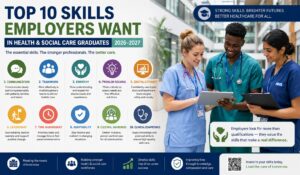
Adaptability and Resilience in Healthcare Environments
Healthcare environments are unpredictable. Staff shortages, changing policies, emotional pressures, and emergency situations require professionals who can remain calm and adaptable.
Resilience has therefore become one of the most valuable skills for healthcare professionals. Employers understand that graduates entering demanding healthcare roles must manage stress effectively while maintaining professionalism and patient safety.
Students can strengthen resilience by developing healthy coping strategies, maintaining work-life balance, and seeking support when needed. Universities across the UK increasingly offer wellbeing services, counselling support, and resilience workshops specifically for healthcare students.
Adaptability also includes openness to lifelong learning. Healthcare graduates must continuously update their knowledge as policies, technologies, and treatment approaches evolve.
Cultural Awareness and Inclusivity
The UK healthcare system serves highly diverse communities. Employers therefore prioritise graduates who demonstrate cultural awareness, inclusivity, and sensitivity towards different backgrounds and experiences.
Cultural competence improves communication, patient trust, and healthcare accessibility. Professionals who understand cultural differences are often better equipped to provide respectful and personalised care.
Universities encourage cultural awareness through diverse learning environments, equality training, and reflective practice activities. Students can further strengthen inclusivity skills through volunteering, community engagement, and exposure to diverse patient populations during placements.
Time Management and Organisational Skills
Balancing coursework, placements, assessments, and personal responsibilities already gives health and social care students valuable organisational experience. However, employers continue to rank time management among the top graduate employability skills.
Healthcare professionals often manage multiple responsibilities simultaneously while working under strict deadlines. Effective organisation helps reduce errors, improve efficiency, and maintain patient safety.
Students can strengthen organisational abilities by using planners, prioritising tasks, and developing realistic study schedules. Dissertation projects are particularly useful for improving long-term planning and project management skills.
As we explained in our guide to structuring a dissertation timeline, breaking large academic projects into manageable stages can improve both academic performance and professional discipline.
Clinical and Practical Healthcare Skills
When discussing healthcare skills lists or lists of clinical skills for medical students, technical competence still remains highly important. Employers expect graduates to possess practical knowledge relevant to their discipline.
Clinical skills vary depending on the profession but may include patient assessment, infection control, safeguarding procedures, documentation, medication awareness, care planning, or emergency response knowledge.
For social care graduates, practical skills may involve advocacy, safeguarding assessments, care coordination, and community support planning.
Students develop these competencies primarily through placements, simulation labs, and supervised practice. Taking placements seriously is essential because employers often evaluate practical experience as closely as academic achievement.
Common Challenges Students Face When Developing Employability Skills
Many students worry that they lack experience compared to other graduates. However, employability skills are developed gradually throughout university life rather than through one major achievement.
A common challenge is underestimating transferable skills gained through part-time work, volunteering, or university societies. Customer service jobs, for example, often develop communication, teamwork, and problem-solving abilities highly relevant to healthcare environments.
Another challenge involves confidence. Some students possess strong capabilities but struggle to articulate them effectively during interviews or within applications. Keeping reflective placement notes and updating your CV regularly can help you identify and communicate your strengths more confidently.
Students also frequently focus too heavily on grades while neglecting broader professional development. Although academic performance matters, employers increasingly seek well-rounded graduates who combine knowledge with emotional intelligence, adaptability, and professionalism.
Practical Ways to Strengthen Your Healthcare Skills Before Graduation
Developing employability skills does not require expensive training programmes or extraordinary opportunities. Consistent small actions often have the greatest long-term impact.
Students can strengthen healthcare skills by engaging actively during placements, seeking feedback from tutors, participating in university workshops, volunteering within healthcare settings, and pursuing reflective practice regularly.
Academic writing also plays a surprisingly important role in professional development. Research projects improve analytical thinking, communication, organisation, and evidence evaluation skills. Learning structured methodologies such as PRISMA literature review approaches can strengthen both academic success and employability.
Networking is another highly valuable strategy. Attending university career fairs, healthcare conferences, and guest lectures can help students understand employer expectations while building professional connections.
The Future of Employability in Health and Social Care
The future of healthcare employment will increasingly favour graduates who combine technical competence with interpersonal excellence and digital adaptability. As healthcare systems evolve, employers are placing greater emphasis on holistic professional capabilities rather than narrow academic achievement alone.
This creates both challenges and opportunities for students. While expectations are higher than ever, graduates who actively develop their communication, leadership, empathy, and analytical skills can position themselves strongly within a competitive employment market.
Importantly, employability is not about becoming perfect before graduation. Employers understand that graduates are still developing professionally. What matters most is demonstrating willingness to learn, adaptability, professionalism, and commitment to patient-centred care.
Conclusion
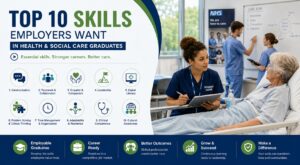
The health and social care sector in 2026–2027 will demand far more than academic qualifications alone. Employers are searching for graduates who can communicate effectively, work collaboratively, think critically, adapt to digital healthcare systems, and provide compassionate care within complex environments.
From emotional intelligence and resilience to leadership and clinical competence, these skills shape not only employability but also long-term professional success. The good news is that every student has opportunities to develop these competencies throughout university life, placements, research projects, and everyday experiences.
By approaching your studies strategically, engaging actively during placements, and continuously reflecting on your development, you can graduate with the confidence and capabilities employers genuinely value.
If you are currently preparing healthcare assignments, dissertations, or literature reviews, developing strong academic research skills can also strengthen your professional profile significantly. Resources such as our guide to “Using PRISMA Guidelines for Literature Reviews: A Step-by-Step Checklist with Examples” can help you build evidence-based research confidence while improving the quality of your academic work.