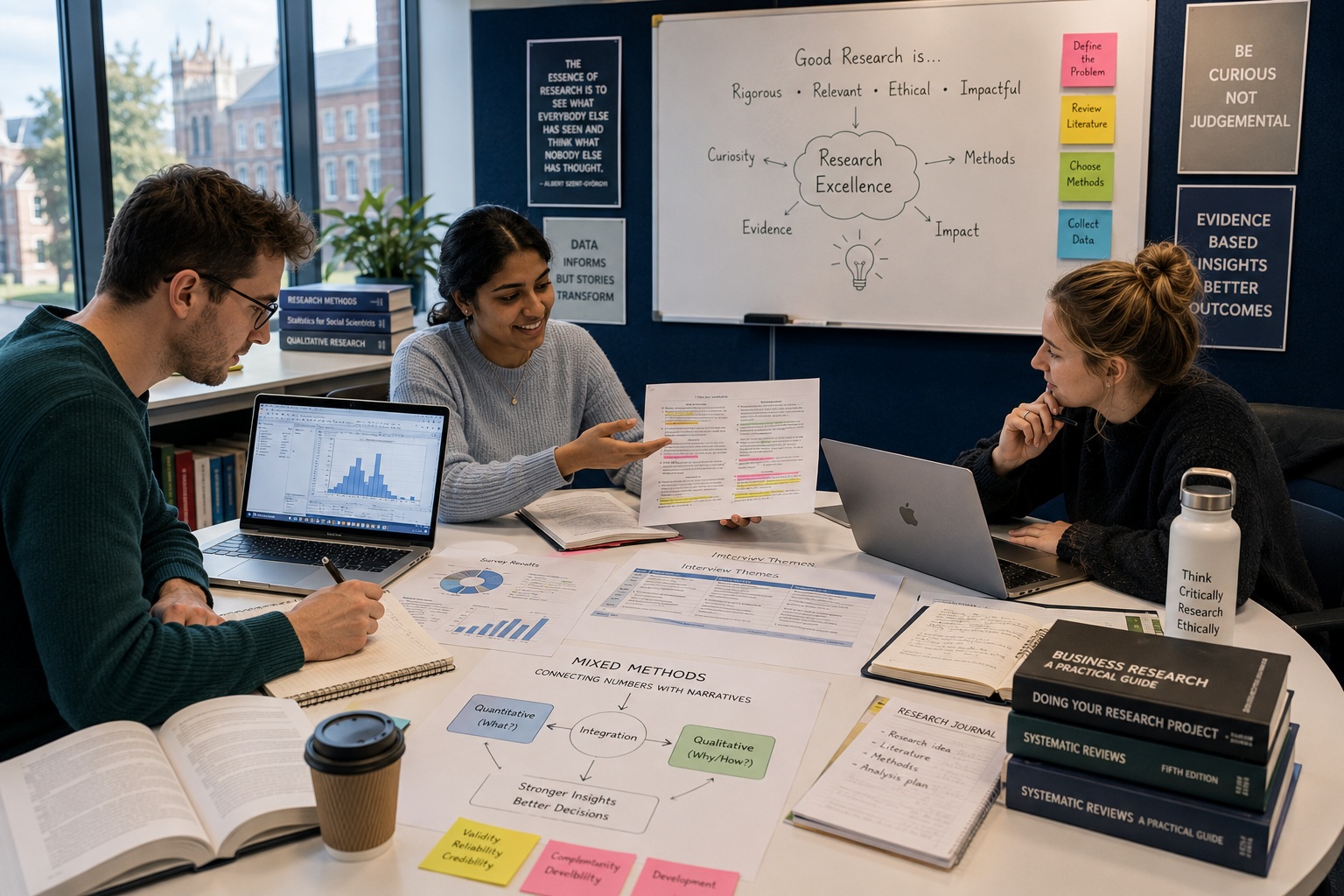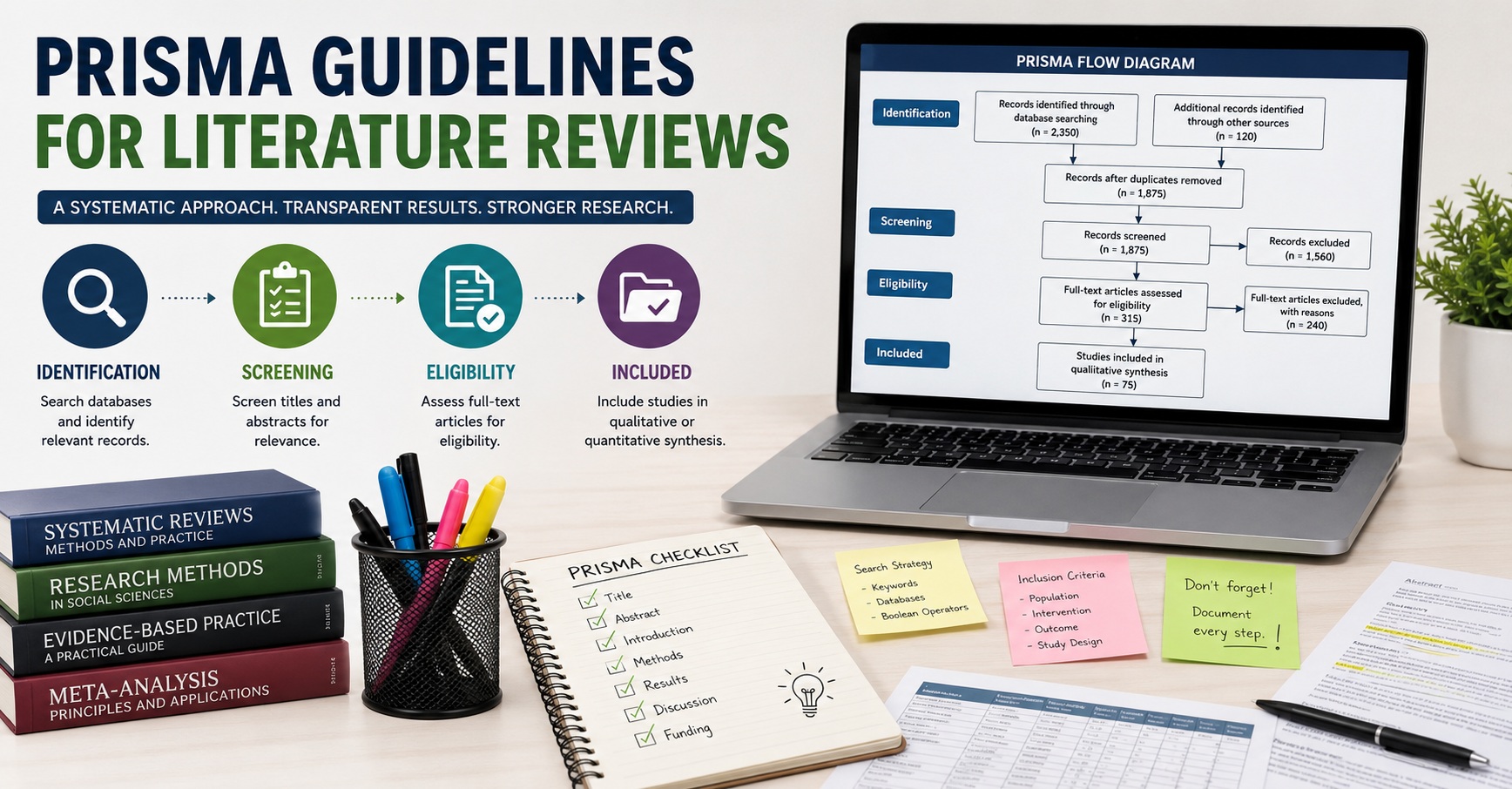

Choosing the right dissertation topic is a pivotal step in your academic journey, especially as a UK student navigating the evolving landscape of higher education in 2026. With universities emphasising originality, relevance, and real-world impact, a well-selected topic can not only boost your grades but also enhance your career prospects. In a year marked by rapid advancements in AI, sustainability, and post-Brexit policies, topics that address these trends are particularly appealing to supervisors and examiners. This comprehensive guide will walk you through the process of selecting a strong topic, provide practical tips tailored for UK students, and offer over 50 fresh ideas across key disciplines. Whether you’re at undergraduate, master’s, or PhD level, these insights aim to make your decision easier and more strategic.
By the end of this article, you’ll have the tools to pick a topic that’s feasible, engaging, and aligned with current UK academic standards. If you’re feeling overwhelmed, remember that professional support—like that from Dissertation Writing UK—can help refine your ideas into a polished proposal.
Why Choosing the Right Dissertation Topic Matters in 2026
Your dissertation is more than just a requirement; it’s a showcase of your research skills and expertise. In 2026, UK institutions are increasingly focusing on interdisciplinary topics that tackle global challenges, such as climate change, digital ethics, and economic resilience. According to recent analyses, topics incorporating AI and sustainability are surging in popularity, as they align with government priorities like net zero goals and tech innovation. A poor choice can lead to dead ends in research, while a winning one opens doors to publications, funding, and job opportunities.
Common pitfalls include picking something too broad (e.g., “AI in Business”) or too niche (e.g., “Quantum Computing in Rural UK SMEs”). Aim for balance: a topic that’s researchable within your timeframe (typically 6-12 months) and word limit (10,000-80,000 words, depending on level).
Step-by-Step Guide: How to Choose a Dissertation Topic
Drawing from expert advice for UK students in 2026, here’s a structured approach to selecting your topic. This method ensures your choice is informed, original, and doable.
1. Reflect on Your Interests and Strengths
Start with self-assessment. What modules excited you most? For instance, if you’re passionate about environmental issues, lean towards sustainability-focused topics. UK students often overlook personal interest, leading to burnout. List 5-10 areas from your coursework, such as “AI ethics” or “post-Brexit trade,” and rank them by enthusiasm.
Tip: Align with your career goals. If you’re eyeing a role in healthcare, explore nursing topics like telehealth. Tools like mind maps or journaling can help brainstorm.
2. Review Existing Literature and Identify Gaps
Conduct a preliminary literature review using databases like Google Scholar, JSTOR, or your university’s library. Search for “trending [field] dissertation topics UK 2026” to spot gaps. For example, while AI in education is hot, specific angles like “AI chatbots for mental health support in UK universities” might be underexplored.
Ask: What’s missing? Recent studies show a need for more UK-centric research on Brexit’s long-term effects. Aim for originality—your topic should contribute new insights.
3. Consider Feasibility and Resources
Be realistic about scope. Do you have access to data, participants, or tools? For empirical topics, ensure ethical approval is straightforward (e.g., via your uni’s IRB). In 2026, with remote learning still prevalent, online surveys or secondary data (from sources like UK Gov datasets) are practical.
Budget and time matter too. Avoid topics requiring expensive lab work unless funded. UK students can leverage free resources like the British Library or open-access journals.
4. Seek Feedback and Refine
Discuss ideas with supervisors, peers, or academic forums like The Student Room. They might suggest tweaks, such as narrowing “Sustainability in Business” to “ESG Strategies in UK SMEs Post-Net Zero Pledge.” Test viability by drafting a research question: Is it clear, focused, and answerable?
Pro Tip: Use UK-specific angles, like referencing policies from the Department for Education or NHS guidelines, to make your topic more relevant.
5. Check for Trends and Relevance
In 2026, prioritise emerging trends: AI integration, climate resilience, mental health post-pandemic, and digital equity. Sources like KnowledgeHut highlight AI-driven topics as top performers. Ensure your topic addresses societal needs, boosting its impact.
Key Considerations for UK Students in 2026
• Interdisciplinary Approach: Blend fields, e.g., AI in law or psychology.
• Ethical and Inclusive Focus: Topics on bias in AI or equity in education are timely.
• Sustainability Lens: With UK’s net zero target, incorporate green themes.
• Data Availability: Post-Brexit, use EU comparisons sparingly; focus on UK data.
• Word Count and Depth: Master’s topics should allow 15,000-20,000 words of analysis.
If refining feels daunting, services like Dissertation Writing UK offer expert consultations to tailor topics to your needs.
50+ Fresh & Trending Dissertation Topic Ideas for 2026
Here are over 50 curated ideas, grouped by discipline. Each includes a brief rationale and potential research angle, inspired by 2026 trends. These are fresh, UK-focused, and adaptable.
Business Management (10 Ideas)
1. Role of AI in Strategic Decision-Making for UK SMEs: Explore adoption barriers and benefits.
2. Impact of Digital Transformation on Post-Brexit Supply Chains.
3. ESG Strategies and Corporate Performance in the UK Retail Sector.
4. AI-Powered Customer Service in UK Banking: Ethics and Efficiency.
5. Sustainability Reporting’s Influence on Consumer Behaviour.
6. Leadership Styles in Hybrid Work Environments Post-Pandemic.
7. Blockchain for Secure Financial Transactions in UK FinTech.
8. CSR in the Age of AI: Balancing Profit and Ethics.
9. Innovation Management in UK Tech Startups.
10. Predictive Analytics in Supply Chain Optimisation.
Nursing and Health Sciences (8 Ideas)
1. Telehealth’s Role in Mental Health Support for UK Postgrads.
2. AI in Predicting Clinical Outcomes in NHS ICUs.
3. Impact of Climate Change on Public Health Nursing.
4. Nurse-Led Interventions for Post-COVID Fatigue.
5. Ethical AI in Elderly Care: UK Policy Analysis.
6. Mindfulness Programs for Nurse Burnout Prevention.
7. Digital Health Equity in Rural UK Communities.
8. Trauma-Informed Care in a Post-Pandemic World.
Education (8 Ideas)
1. AI Chatbots for Student Mental Health in UK Universities.
2. Impact of Digital Tools on Engagement in UK Schools.
3. Inclusive Education Post-Brexit: Challenges and Solutions.
4. Adaptive Learning Platforms in Higher Education.
5. Teacher Wellbeing and Student Achievement Links.
6. EdTech’s Role in Bridging Socioeconomic Gaps.
7. Climate Education in UK Curricula.
8. Hybrid Learning Models: Long-Term Effects.
Law (7 Ideas)
1. AI in Judicial Decision-Making: UK Legal Implications.
2. Brexit’s Impact on Commercial Contracts.
3. Data Protection in AI-Driven Surveillance.
4. Ethical Guidelines for Autonomous Vehicles.
5. Climate Litigation: Standing and Floodgate Concerns.
6. Cybersecurity Laws and Human Trafficking.
7. GDPR’s Effectiveness in 2026.
Computer Science and AI (8 Ideas)
1. Explainable AI for Bias Reduction in UK Public Sector.
2. Generative AI in Cybersecurity Education.
3. AI Ethics in Healthcare Decision-Making.
4. Blockchain for Secure Data Sharing.
5. Machine Learning for Stock Market Prediction.
6. Quantum Computing Trends in UK Research.
7. AI Governance in Autonomous Systems.
8. Natural Language Processing for Sentiment Analysis.
Psychology (6 Ideas)
1. Social Media’s Impact on Mental Health in UK Teens.
2. AI-Driven Psychological Interventions: Ethics.
3. Climate Anxiety Among UK Youth.
4. Hybrid Work’s Effect on Employee Wellbeing.
5. Mindfulness in PTSD Recovery.
6. Bias in AI Therapy Tools.
Environmental Studies and Sustainability (6 Ideas)
1. Net Zero Implementation in UK Urban Ecosystems.
2. Biodiversity Conservation in Cities.
3. Renewable Energy Adoption in UK Cities.
4. Circular Economy in Waste Management.
5. Climate Change Risks: Global Assessment Needs.
6. Sustainable Agriculture Post-Brexit.
Engineering (6 Ideas)
1. AI in Predictive Maintenance for UK Infrastructure.
2. Hydrogen Storage Challenges in Energy Transition.
3. Smart Materials for Disaster-Resilient Buildings.
4. Circular Economy in Engineering Design.
5. Automation Trends in UK Manufacturing.
6. Ethical AI in Engineering Processes.
These ideas total over 50, providing a strong starting point. For more customisation, consider your field’s specifics.
Refining and Validating Your Topic
Once selected, draft a proposal outline: introduction, literature review, methodology, and expected outcomes. Validate by checking for sufficient sources (aim for 50+ references). If gaps appear, pivot slightly. UK students benefit from tools like EndNote for organisation.
Common refinement: Add a UK focus, e.g., “AI in Global Business” becomes “AI Adoption in UK SMEs.”
Conclusion: Take the Next Step
Selecting a winning dissertation topic in 2026 is about blending passion with practicality, especially amid trends like AI and sustainability. With these steps and ideas, you’re equipped to choose wisely. However, if you need expert guidance from topic refinement to full writing, our uk based dissertation writers are here to help you with tailored services for UK students. Our PhD-qualified writers ensure your work is original, SEO-optimised for academic visibility, and delivered on time. Contact us today for a free consultation and turn your idea into a standout dissertation.